Key takeaways
- Find the best soil for raised garden beds with legs: light, free-draining bagged mixes for shallow elevated beds, plus fill depths and watering tips.
Disclosure: As an Amazon Associate, we earn from qualifying purchases. When you buy through links in this article, we may earn a commission at no extra cost to you.


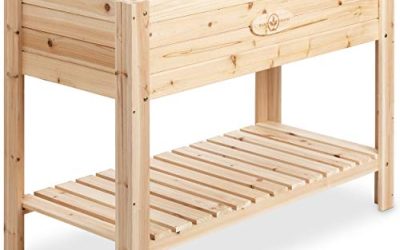
A raised bed on legs changes the soil question completely. A ground-level raised bed can be deep, heavy, and forgiving: roots can push down, excess water can move away, and a dense mix is held up by the earth underneath. An elevated bed on legs is a large container in the air. Its floor has to carry every pound of wet soil, its planting depth is often only six to ten inches, and water either drains straight out of the bottom or sits against the liner if the mix compacts. Choosing the best soil for raised garden beds legs therefore means balancing three things at once: weight when wet, drainage in a shallow profile, and enough nutrition to feed plants in a limited volume.
This guide compares bagged mixes that are marketed for raised beds, planter boxes, and containers, because those are the products that fit both a standard raised bed and a legged, elevated version of one. Every pick below is a ready-to-use bagged soil, not a bed kit, not a frame, and not a loose amendment meant only for in-ground soil. Specifications are taken from the product listings and manufacturer descriptions, and the notes on weight and depth are practical calculations you can repeat for your own bed before you buy.
Quick Picks
- Espoma Organic Raised Bed Mix — Best all-round raised-bed fit: a 1.5 cubic foot mix made specifically for raised beds, with earthworm castings and Espoma’s Myco-tone blend.
- FoxFarm Ocean Forest Potting Soil — Richest container mix: a nutrient-dense 1.5 cubic foot potting soil with earthworm castings, bat guano, fish and crab meal, and a listed pH of 6.3 to 6.8.
- Burpee Organic Premium Potting Mix — Best small-bed top-up: a lighter 9-quart, coir-based organic mix that feeds for up to three months, useful for shallow legged beds and smaller planters.
What Makes Soil Different in a Bed on Legs?
Shallower depth changes everything
Many legged beds offer roughly six to ten inches of usable soil depth, compared with twelve to twenty inches in a deeper ground bed. In a shallow profile, a mix that holds too much water can stay saturated through the whole root zone, while a mix that drains too freely can dry out in a single hot afternoon. Look for a blend that combines a moisture-holding base, such as peat moss, coir, or composted forest products, with an aeration component such as perlite, aged bark, or sandy loam. That combination is exactly what most raised bed and container mixes are built to provide, which is why a dedicated raised bed mix is a safer starting point than ordinary topsoil or in-ground garden soil.
Topsoil is a particular trap for elevated beds. It is dense, variable, and often sold for filling and levelling ground, not for growing in a container. In a shallow legged bed it can compact into a heavy slab, add a lot of weight, and still offer little available nutrition.
Weight is a structural limit, not a preference
Wet soil is heavy, and a legged bed has a stated or unstated load limit set by its legs, joints, and floor slats or liner. Before filling, work out the volume: length multiplied by width multiplied by depth, all in feet, gives cubic feet. A bed that is four feet long, two feet wide, and eight inches deep holds about 5.3 cubic feet of mix. At that volume, choosing a lighter, aerated potting-style mix over a dense soil can make a meaningful difference to the load on the frame, especially after watering or rain.
Manage weight by filling only to the depth your plants need, choosing mixes built on coir, peat, bark, and perlite rather than mineral soil, and skipping stones or gravel at the bottom. Gravel does not improve drainage in a container profile; it adds weight and reduces the soil volume available to roots.
Drainage and the liner question
Most elevated beds drain through gaps in slats, a fabric liner, or drainage holes. A free-draining mix protects roots in that setup, but it also means nutrients wash through faster than in a ground bed. That is why the feeding notes below matter: shallow, free-draining beds usually need a planned top-up of compost or plant food during the season, even when the starting mix contains fertilizer.
How We Chose These Mixes
Each product below had to meet four tests. First, it had to be a bagged soil or potting mix, the same product type the keyword asks about. Second, its listing had to position it for raised beds, planter boxes, or containers, so it is relevant to an elevated bed as well as a ground-level one. Third, it had to be available as an identifiable listing on Amazon US, with a verifiable model and bag size. Fourth, its ingredient or specification details had to be readable from the listing or manufacturer description, so the comparisons rest on published information rather than guesswork.
The Picks in Detail
1. Espoma Organic Raised Bed Mix
Espoma’s Organic Raised Bed Mix is the most direct match for this keyword. The listing describes it as an all-natural and organic potting soil mix for growing vegetables and herbs in raised garden beds, sold in a 1.5 cubic foot bag. According to the product information, the blend is enhanced with earthworm castings, Myco-tone, alfalfa meal, kelp meal, and feather meal. Myco-tone is Espoma’s proprietary blend of mycorrhizae, the fungi that associate with plant roots.
For a legged bed, the appeal is focus. This is not a general in-ground soil that you have to adapt; it is formulated for the raised bed format, ready to use from the bag with no mixing required. The organic meals and castings provide a varied nutrient base for vegetables and herbs, which are the most common crops in elevated beds because their roots suit a shallower depth.
Consider the trade-offs honestly. A 1.5 cubic foot bag will not fill a large elevated bed on its own, so calculate your volume first and expect to buy several bags. Like most organic mixes with a moderate starting charge, it is sensible to plan a mid-season feed for heavy feeders such as tomatoes or peppers, especially in a shallow bed where nutrients leach quickly. If you want one bag type to fill the whole bed without blending your own recipe, this is the simplest starting point in the group.
Best for: Gardeners who want a purpose-made, organic raised bed mix for vegetables and herbs in a legged bed of modest size.
2. FoxFarm Ocean Forest Potting Soil, 1.5 cu ft
Ocean Forest is a container potting soil rather than a bag labelled only for raised beds, and that container heritage is useful in a legged bed, which behaves like a container. The listing for the 1.5 cubic foot bag, model FX14000, describes a powerhouse blend of premium earthworm castings, bat guano, and sea-going fish and crab meal, with composted forest humus, sandy loam, and sphagnum peat moss giving it a light, aerated texture. The manufacturer states that it is pH adjusted at 6.3 to 6.8 to allow for optimum fertilizer uptake, and that it is ready to use right out of the bag for containers.
That nutrient density is the reason to choose it. Herbs, salads, and fruiting vegetables in a shallow elevated bed have a small root volume to draw from, so starting with a rich mix can support stronger early growth. The light, aerated texture described in the listing also suits a bed on legs, where avoiding a heavy, waterlogged profile matters.
The same richness calls for judgement. A strongly charged mix is not always the gentlest choice for very young seedlings, so many gardeners start seeds in a leaner medium and use Ocean Forest for potting on or for filling the main bed. It also tends to sit at the premium end of bagged soils, so using it for an entire large bed costs more than using it where it counts most: the top layer and the planting holes in a legged bed, over a base of a plainer raised bed mix.
Best for: Growers who want a rich, ready-to-use container mix for hungry crops, or a nutrient-dense top layer in a shallow elevated bed.
3. Burpee Organic Premium Potting Mix, 9 Quarts

Burpee’s Organic Premium Potting Mix is the smallest bag in this group, at 9 quarts, and that size shapes its role. The listing describes an organic mix formulated with plant food and coconut coir to promote seed and root growth, for container-grown vegetables, flowers, and herbs, and states that it feeds plants for up to three months. It is OMRI Listed, and the packaging highlights moisture control from coconut coir and a peat-free formula.
Coir is a genuinely useful base for a legged bed. It holds water evenly, re-wets more readily than dry peat can, and keeps the mix comparatively light, which matters when the whole bed sits on legs. A 9-quart bag is not an economical way to fill a whole elevated bed from empty, and this guide does not suggest using it that way. Its strengths are topping up a shallow bed that has settled, refreshing the top few inches before a new planting, filling a small legged planter, or mixing into a larger volume to improve moisture handling.
If your legged bed is small, such as a narrow balcony planter, the maths changes and a few of these bags may be a practical complete fill with a built-in feed for the first part of the season. Read the bag’s feeding period as a starting charge rather than a full-season plan, and be ready to add plant food once growth is underway.
Best for: Small legged planters, topping up settled soil, and gardeners who prefer a lighter, coir-based, peat-free mix.
Choosing Soil Specifically for a Legged, Elevated Bed
This section is the part that matters most for the keyword as written, because a bed on legs is not simply a raised bed raised up.
Match depth to the crop. Leafy salads, radishes, and many herbs manage in about six inches of mix. Peppers, bush beans, and strawberries are happier with eight to ten inches. Tomatoes and other deep, hungry crops are the hardest fit for a shallow legged bed; if you grow them there, give them the deepest section you have, use the richest mix in that section, and water consistently.
Fill in the right order. Put the main raised bed mix in first and level it, then add any richer potting mix where plants will actually sit. There is no benefit to a gravel layer, and a liner should hold soil while still letting water escape. Leave an inch or so of headroom below the rim so watering does not wash mix over the edge.
Expect to water more often. An elevated bed is exposed to air on more sides, sits above ground warmth and wind, and holds a smaller water reserve. In warm weather, daily checking is normal for shallow beds. A mulch of clean straw or shredded leaves on the surface slows evaporation and reduces the crusting that can make water run off a dry mix.
Plan the second feed. Free drainage plus a small volume means the starting fertilizer in any bag is only the opening chapter. A mid-season top-dressing of compost, or a plant food used according to its label, keeps shallow-rooted crops moving after the first flush of growth.
Refresh, do not automatically replace. At the end of a season, remove spent roots, loosen the mix, and top back up to depth with fresh raised bed mix or compost to replace what settled and what plants used. Full replacement is usually only needed if disease was a serious problem or the mix has broken down into a dense, poorly draining mass.
How Much Soil Do You Need?
Measure the inside length and width in feet, and the fill depth in inches. Convert depth to feet by dividing by twelve, then multiply all three numbers to get cubic feet. A 1.5 cubic foot bag covers a two-by-two-foot area at about four and a half inches deep.
Worked examples for common legged beds, filled to eight inches: a four-by-two-foot bed needs about 5.3 cubic feet, roughly four 1.5 cubic foot bags; a four-by-one-foot narrow bed needs about 2.7 cubic feet, roughly two such bags; a three-by-two-foot bed needs about four cubic feet, roughly three bags. Add a little extra for settling, because fresh bagged mix compresses once watered.
Final Verdict
For most people, start with the Espoma mix for a purpose-built organic fill. Use FoxFarm Ocean Forest where nutrient density matters most, such as the planting layer for hungry crops, and keep Burpee’s coir-based mix in mind for small planters and top-ups where light weight counts. Whichever bag you choose, the decisions that protect a bed on legs are the same: respect the weight limit, fill to a depth your crops can use, skip the gravel layer, and plan watering and feeding for a shallow, free-draining volume rather than a deep ground bed.