Key takeaways
- Find the best inexpensive raised garden beds for vegetables and herbs, with durable metal, wood, and fabric kits that keep setup simple and soil deep.
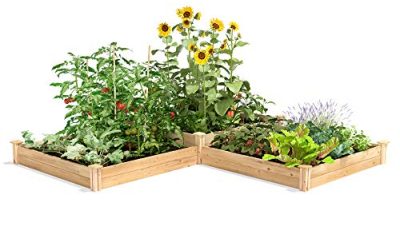
A raised bed does not need premium lumber, thick designer panels, or a complicated frame to grow good food. For most home gardens, the job is simpler: hold a clean rectangle of soil, drain freely, stay upright through wet weather, and give roots enough depth to spread without fighting compacted ground. The budget end of the market can do all of that well, as long as you choose the material with your site, crops, and patience in mind.

This guide focuses on inexpensive raised garden bed kits that still feel like a sound long-term purchase. The picks cover galvanized metal for durability, wood for a natural look, fabric for the lightest and simplest setup, and a deeper metal bed for crops that need more soil. Each option is a complete kit or ready-to-fill bed, so you can move from delivery to planting without building a frame from raw boards.
As an Amazon Associate, we earn from qualifying purchases.
Quick answer
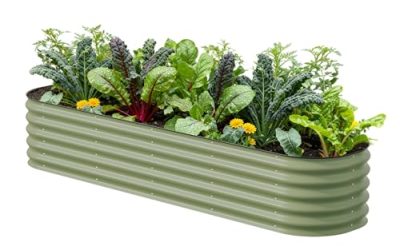
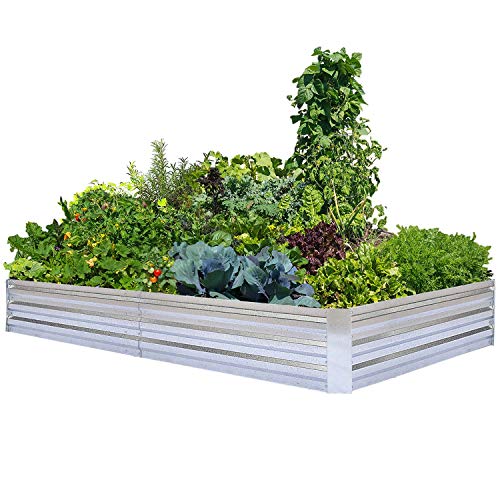
The FOYUEE Galvanized Raised Garden Bed, 8x4x1ft, is the best overall pick among the best inexpensive raised garden beds for most yards. Its large footprint, open base, overlapping steel panels, and support bars give vegetables, herbs, and flowers a roomy, tidy bed with simple assembly and a shape that suits a first full-size vegetable plot.
FOYUEE Galvanized Raised Garden Bed 8x4x1ft — Best overall
The FOYUEE bed earns the top spot because it covers the basics at a generous size without asking you to learn a complicated building system. At eight feet long and four feet wide, it gives enough room for rows of salad greens, peppers, beans, squash at the ends, or a mixed bed of herbs and flowers. The one-foot depth suits most common vegetables and keeps the soil bill manageable compared with a very deep bed, which matters when you are filling a bed for the first season.
Construction is galvanized steel with overlapping panels and support bars to help the long sides resist bowing once the soil is in place. The open bottom lets excess water drain into the ground and allows roots to reach deeper moisture in dry spells. Assembly uses the panel-and-fastener approach common to metal kits, so the work is mostly aligning edges, tightening connections, and checking that the rectangle is square before filling. Place it on level ground, clear sharp stones from beneath the edges, and the bed should sit neatly.
This is a good fit if you want one main vegetable bed rather than several small planters. The four-foot width is wide enough for serious planting but still lets most adults reach the middle from either side. If your garden is on a slope, take time to level the footprint first, because a long metal frame will show any twist once filled. For gardeners who want a durable, plain, and roomy bed without moving up to modular premium systems, FOYUEE is the balanced choice.
- Dimensions: 8 x 4 x 1 ft
- Material: Galvanized steel
- Design: Open bottom, rectangular panel kit
- Support: Overlapping panels with support bars
- Best for: Mixed vegetables, herbs, and flowers
- Assembly: Panel kit with fasteners
Land Guard Galvanized Raised Garden Bed 8x4x1.5ft — Best galvanized metal
The Land Guard bed is the pick when galvanized metal is the priority and you want a little more depth than a basic one-foot kit. Its eight-by-four footprint matches the classic raised bed layout, while the extra half foot of height gives roots more room and helps keep soil from washing over the edge during heavy watering. That added depth is useful for carrots, potatoes in a modest way, and crops that appreciate a deeper, looser root zone.
Land Guard uses galvanized metal panels with a rust-resistant finish and a smooth, tidy appearance once assembled. The listing describes a capacity of 359 gallons, which signals a substantial bed rather than a shallow decorative planter. The oval-leaning panel structure and reinforced connections are meant to keep the sides firm when the bed is full. As with any metal bed, the edges should be checked during assembly and the frame should be placed where it will not be struck by mowers or wheelbarrows.
Choose this model if you like the longevity argument for galvanized steel but do not need the full two-foot depth of the tallest pick below. It is deep enough to feel like a step up, yet it will not demand quite as much soil as a two-foot bed. In hot, sunny yards, remember that metal sides can warm the outer band of soil, so mulch the surface and water the edges well during heat waves. For a straightforward galvanized kit with extra working depth, Land Guard is a strong budget-minded option.
- Dimensions: 8 x 4 x 1.5 ft
- Material: Galvanized metal
- Capacity: 359 gallons
- Finish: Galvanized, rust resistant
- Design: Open bottom raised bed kit
- Best for: Vegetables, fruit, and flowers needing extra depth
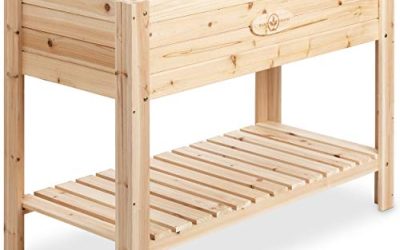
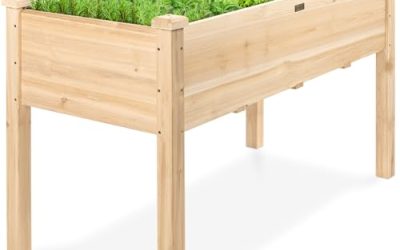
Yaheetech Wooden Raised Garden Bed 8x2ft — Best wood

The Yaheetech wooden bed suits gardeners who prefer the look and feel of timber and who are working with a narrower strip of ground. Its long, slim shape, roughly ninety-five inches by twenty-five inches, fits along a fence, beside a path, or against a sunny wall where a four-foot-wide bed would crowd the space. A built-in divider approach in this style of bed also makes it easier to keep herbs, salad leaves, and flowers in separate sections.
The frame is wood with an elevated planting box style and a modest depth of about eleven inches. That depth works well for herbs, lettuce, radishes, spring onions, strawberries, and flowers, and it can handle peppers or bush beans if the soil mix is rich and watering is steady. Wood will weather outdoors, so expect the color to soften over time. Keeping the bed on a level, well-drained spot and avoiding constant contact with standing water will help it last longer.
Assembly is a panel-and-screw project rather than a snap-together metal kit, so set aside a calm hour and use a suitable driver if you have one. The reward is a bed that looks at home in a cottage garden or on a patio edge. If you want the lowest possible upkeep, metal may suit you better, but if appearance and a narrow footprint matter most, this Yaheetech bed is the wood pick to choose.
- Dimensions: 95 x 25 x 11 in, about 8 x 2 ft
- Material: Wood
- Design: Long, narrow raised planting box
- Depth: About 11 in of planting space
- Best for: Herbs, salad crops, strawberries, and flowers
- Placement: Fence lines, paths, patios, and narrow yards
Smart Pot Big Bag Bed Fabric Raised Bed — Best fabric grow bed

The Smart Pot Big Bag Bed is the simplest bed in this guide. There is no frame to bolt together and no panels to align. You unfold the circular fabric bed, place it where you want to grow, fill it with soil mix, and plant. That simplicity is the point. It suits renters, new gardeners, and anyone who wants to try a raised bed on a lawn, driveway edge, or spare patch of ground without committing to a permanent structure.
The fabric is the same porous style used in Smart Pot containers. It lets excess water pass through, supports air exchange around the root zone, and helps prevent the circling roots that can happen in smooth solid pots. The original Big Bag Bed holds about one hundred gallons and gives a round planting area of roughly thirteen and a half square feet, which is enough for tomatoes, squash, melons, eggplant, or a dense patch of greens and herbs. Because the sides are flexible, the bed takes the shape of its fill, so add soil evenly and avoid dragging it once full.
Fabric will not last as long as galvanized steel, and it will not look as formal as wood. Treat it as a practical, low-commitment bed that can serve several seasons when handled with care, emptied or covered sensibly in winter, and kept out of constant abrasion. If speed, light weight, and easy storage matter more than a crisp rectangular outline, this is the most forgiving way to begin.
- Type: Circular fabric raised bed
- Capacity: About 100 gallons
- Planting area: About 13.5 square feet
- Material: Porous fabric
- Setup: Unfold, fill, and plant, with no frame assembly
- Best for: Tomatoes, squash, melons, eggplant, greens, and trial plots
Best Choice Products 8x4x2ft Metal Raised Garden Bed — Best tall / deep bed
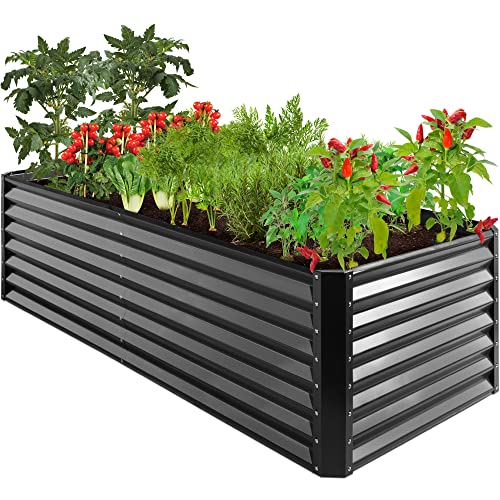
The Best Choice Products bed is the choice when depth is the main reason for buying. At eight feet by four feet with a full two feet of growing depth, it holds up to 478 gallons of soil and gives medium and deep rooting crops far more room than a shallow kit. Broccoli, beans, peppers, and other hungry vegetables benefit from the larger soil volume, which also holds moisture more evenly between waterings once the bed is established.
The panels are powder-coated steel with stabilizing rods, and the listing notes tool-free assembly using wingnuts and bolts with rubber edging for protection. There is no bottom panel, so the bed sits directly on the ground and drains through the open base. That design is good for drainage and for layering yard material, compost, and soil, but it also means the initial fill is the big job. Many gardeners reduce the soil needed by placing clean logs, branches, leaves, and rough compost in the lower part before adding a deep top layer of growing mix.
A two-foot bed reduces bending during planting and weeding, which can make a real difference over a long season. It also creates a clearer barrier against some ground-level pests and makes the plot look defined. The trade-off is soil volume and weight once filled, so choose the position carefully before you load it. If you want the deepest inexpensive kit in this guide and are ready to fill it properly, this is the one.
- Dimensions: 8 x 4 x 2 ft
- Material: Powder-coated steel panels
- Capacity: Up to 478 gallons of soil
- Depth: 24 in growing depth
- Design: Open base, no bottom panel, stabilizing rods included
- Assembly: Tool-free wingnut and bolt assembly with rubber edging
How to choose
Begin with the space you can reach comfortably. A four-foot-wide bed works when you can walk on both sides, because you can reach the center without stepping on the soil. In a narrow spot, a two-foot-wide wood bed or a round fabric bed may fit better and leave room to move. Measure the footprint, the path around it, and the direction of sunlight before ordering, because a filled bed is awkward to move.
Next, match depth to crops. One foot of soil suits lettuce, herbs, radishes, strawberries, and many flowers. Eighteen inches gives more room for carrots, peppers, and beans. Two feet is helpful for deep rooting crops and for gardeners who prefer less bending, but it needs much more fill. A practical approach is to use bulky clean organic material in the lower part of a deep bed, then add a generous top layer of compost and topsoil where roots will feed most actively.
Material decides upkeep and lifespan. Galvanized metal is the low-fuss choice for a bed you want to leave in place for years. Wood looks natural and is pleasant to work around, but it will weather and eventually soften. Fabric is the lightest and easiest to store, and it is ideal for a trial garden, but it is the least formal and will age faster. None of these materials removes the need for good soil, steady watering, and a mulch layer to protect the surface.
Finally, think about assembly and filling as part of the purchase. Metal kits need careful alignment and tightening. Wood kits need screws driven straight. Fabric beds need almost no assembly but need even filling. In every case, level the ground first, remove sharp debris, lay the bed in its final place, and only then bring in soil. That order prevents twisted frames, uneven edges, and a great deal of frustration.
Who should skip
Skip these budget kits if you need a bed with a solid bottom for a balcony, roof terrace, or paved surface where soil and water must be fully contained. Most of the beds here are open at the base and are meant to sit on soil. A contained planter with a liner or tray is a safer choice for those surfaces.
Skip the tall, deep bed if you cannot source enough fill or if the bed must be moved often. Once loaded, a two-foot-deep eight-by-four bed is effectively permanent for the season. Skip fabric if you want a crisp, formal edge that will look the same for many years, and skip wood if you are unwilling to accept weathering. Gardeners who need wheelchair-height access, built-in seating, irrigation fittings, or a modular system that changes shape each season should look at purpose-built designs rather than forcing a simple kit to do a different job.
Frequently Asked Questions
How long do inexpensive raised garden beds last?
Lifespan depends mainly on material and exposure. Galvanized metal kits usually last the longest in this group when their panels and fasteners stay intact. Wood beds last several seasons but weather, soften, and eventually need repair or replacement. Fabric beds are the shortest-lived option, though careful handling, sensible winter storage, and avoiding dragging a full bed can extend their useful life.
How deep should a raised bed be for vegetables?
A depth of about one foot is enough for lettuce, herbs, radishes, and many flowers. Peppers, beans, carrots, and broccoli are happier with more room, so an eighteen-inch or two-foot bed gives roots and moisture a better buffer. If you choose a deep bed, you can place clean branches, leaves, and rough compost in the lower section and keep the richest soil mix near the top.
Do raised beds need a bottom or liner?
Most ground-level raised beds do not need a bottom. An open base improves drainage and lets roots grow into the soil below. A liner can help keep soil inside a slatted wood bed or separate fill from rough ground, but it should still allow water to escape. Beds placed on balconies or paving are different, because those surfaces need a contained planter rather than an open-bottom kit.
What soil should I fill a new raised bed with?
Use a blend made for raised beds or combine quality topsoil with compost and an airy material that helps drainage. Fill the bed near the top, water it well, and expect some settling before planting. Add compost each season to replace what breaks down, and cover the surface with mulch to reduce splashing, slow drying, and protect the soil structure between crops.
Final verdict
For most gardeners, the FOYUEE 8x4x1ft galvanized bed is the easiest recommendation: roomy, simple, and durable enough to anchor a vegetable plot. Choose the Land Guard bed if you want galvanized metal with extra depth, the Yaheetech if a narrow wood bed fits your space and style, or the Smart Pot Big Bag Bed if you want to unfold a bed and plant with almost no setup. Pick the Best Choice Products two-foot bed when deep soil and less bending matter most and you are ready for the bigger fill. Any of these five can turn an underused patch of ground into a productive bed without moving into premium kit territory.
Product and ASIN Reference
| Product | ASIN |
|---|---|
| FOYUEE Galvanized Raised Garden Bed 8x4x1ft | B07T499RHJ |
| Land Guard Galvanized Raised Garden Bed 8x4x1.5ft | B0D78WBWFN |
| Yaheetech Wooden Raised Garden Bed 8x2ft | B0CQS64ZBZ |
| Smart Pot Big Bag Bed Fabric Raised Bed | B007BVKDZI |
| Best Choice Products 8x4x2ft Metal Raised Garden Bed | B09SQZJV67 |