Key takeaways
- A practical guide to the best materials for constructing raised garden beds, from cedar and galvanized steel to fabric, with kits that make each material easy to build.
Introduction
A raised garden bed is only as good as the material that holds it together. The boards, panels, or fabric walls you choose decide how long the bed lasts, how warm the soil stays in spring, how well water drains after rain, and how much upkeep the bed needs from one season to the next. A good choice lasts for seasons with little upkeep. A poor one means rebuilding within a couple of years, or fighting bowed sides, rotted corners, and soil that dries out too fast.

The best materials for constructing raised garden beds come down to a handful of proven options. Untreated cedar has been the classic choice for generations because it resists rot and insects without chemical treatment. Powder-coated and galvanized steel brings a modern look with deep beds that suit root vegetables. Modular metal kits let you change the shape of a bed as your garden changes. Non-woven fabric gives renters and beginners a bed that sets up in minutes and folds away at the end of the season. Stone, concrete block, and composite lumber also have their place, and this guide covers them too.
This guide looks at each material through the lens of real gardening life: how it handles wet winters, hot summers, heavy soil, and hungry roots. You will find one kit for each of the four main material families, with the listing features that matter and the trade-offs to weigh before you buy. The goal is simple: a bed that fits your space, suits the plants you want to grow, and stays standing season after season.
At a Glance
| Kit | Material | Depth | Footprint | Suits |
|---|---|---|---|---|
| Greenes Fence Premium Cedar Raised Garden Bed | Untreated cedar wood | 10.5 inches | 4 x 12 feet | Long classic wood beds for vegetables and herbs |
| Best Choice Products 8x4x2ft Metal Raised Garden Bed | Powder-coated steel | 24 inches | 8 x 4 feet | Deep-rooted vegetables and large harvests |
| Vego Garden 17 Inch 9-in-1 Raised Garden Bed Kit | Coated modular metal | 17 inches | Configurable | Flexible layouts and changing garden plans |
| Gardzen 2 Pack Fabric Raised Garden Beds | Non-woven fabric | 12 inches | 2 x 4 feet each | Square-foot planting, patios, and temporary beds |
Greenes Fence Premium Cedar Raised Garden Bed
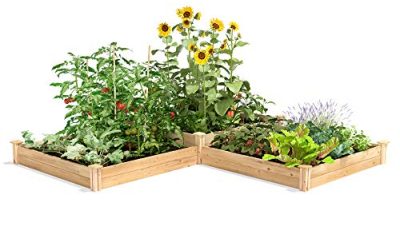
Cedar is the traditional answer to the question of what to build a raised bed from, and this Greenes Fence kit shows why the wood has kept its reputation. The bed is built from untreated North American cedar boards, three quarters of an inch thick, joined with dovetail joints that slide into corner posts. The 4 by 12 foot footprint gives 48 square feet of growing space for rows of vegetables or a long herb border.
The listing features are straightforward and practical. The cedar is unfinished and chemical free, so it fits gardens where the harvest goes straight to the kitchen. The boards are described as naturally rot and insect resistant, a property cedar is known for, and the kit is made in the USA. Assembly needs no power tools in most cases: boards slide into the posts, decorative caps go on top, and the frame is ready for soil. The design is stackable and expandable, so a second kit can be added on top for extra depth or joined alongside to extend the run. At 10.5 inches deep, the bed holds enough soil for lettuce, herbs, peppers, and bush beans, and it can sit on open ground so roots can reach deeper into the soil below.
Considerations
Cedar weathers to a soft silver gray over time unless you apply a garden-safe wood finish, which some gardeners love and others do not expect. A 12 foot side is long, so it benefits from a midpoint brace or a stake if you fill it with heavy, wet soil, because long boards can bow outward under load. The bed has an open base, which is good for drainage and deep roots, but it also means burrowing pests can enter from below unless you add hardware cloth. Measure your access path before ordering, since a 12 foot kit needs a clear route from the driveway to the garden.
Best Choice Products 8x4x2ft Outdoor Metal Raised Garden Bed
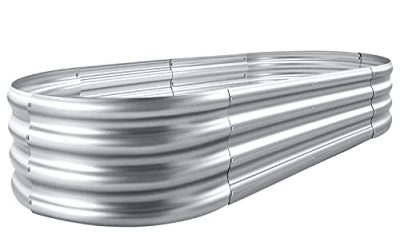
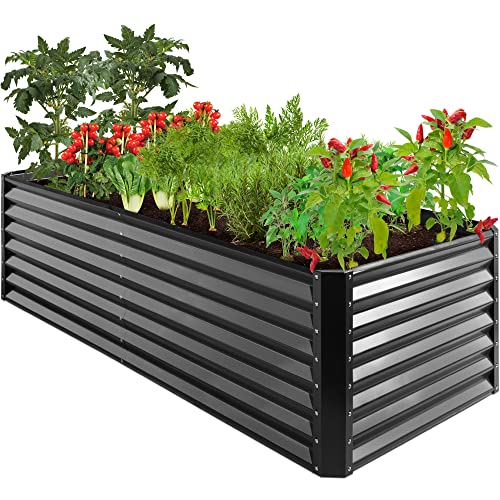
If you grow deep-rooted vegetables such as carrots, parsnips, potatoes, and tomatoes, depth matters more than almost anything else, and this Best Choice Products bed delivers it. The bed stands 24 inches tall and holds up to 478 gallons of soil across an 8 by 4 foot footprint, giving roots room to grow down instead of sideways. The panels are powder-coated steel with a ribbed profile, and the kit includes three stabilizing rods that span the bed to keep the long sides straight under the weight of wet soil.
The listing features focus on assembly and durability. The beveled steel panels join with wingnuts and bolts, and the maker describes the assembly as tool-free, which means most gardeners can put the bed together without a drill. Rubber edging runs along the top of the panels for hand comfort while you work. The open base suits layering yard waste and compost under the topsoil. The bed comes in several colors, including gray, so it can blend with a patio, a fence, or a modern yard.
Considerations
A bed this deep needs a large volume of soil, so plan your fill before assembly and consider layering bulky organic matter at the bottom to reduce the amount of topsoil required. Metal warms quickly in sun, which can be a benefit in cool springs but means the soil near the edges dries faster in hot weather, so mulch and regular watering matter more. The bed has no bottom panel, so set it on level ground and add hardware cloth underneath if voles or gophers are a problem in your area. Check the ground for level before you start, because a tall steel bed shows every slope.
Vego Garden 17 Inch 9-in-1 Raised Garden Bed Kit

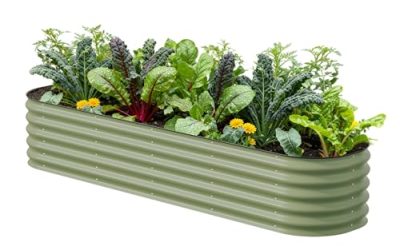
The Vego Garden kit answers a different problem: gardens change. A bed that is the right shape this year may be the wrong shape next year, and this modular metal kit is built to change with it. The 17 inch tall panels can be arranged in nine configurations, from a long rectangle to an L shape or a pair of smaller beds, so the same kit can fit a narrow side yard, a square patio corner, or a wide open plot. The coated metal panels are designed to resist rust and to keep their finish through wet seasons.
The listing features center on flexibility and build quality. The modular panels connect with bolts and corner pieces, and the kit is sized to give a generous planting area without demanding a full weekend of construction. At 17 inches deep, the bed suits most vegetables, including tomatoes, peppers, squash, and leafy greens, while still being low enough to reach across from one side.
Considerations
Modular kits have more joints than a fixed bed, so take time to tighten every connection and check that the corners are square before filling, because soil load will expose any loose joint. A 17 inch wall holds a lot of soil, so brace the layout you choose and keep the bed level. In hot climates, a dark metal finish absorbs more heat, so a lighter color and a thick mulch layer help keep root zones cooler. Because the kit can be reconfigured, keep the spare panels and hardware together in a labeled box so a future rearrangement is simple.
Gardzen 2 Pack Fabric Raised Garden Beds

Not every gardener wants a permanent structure, and fabric beds fill that gap. This Gardzen set includes two non-woven fabric beds, each 2 by 4 feet and 12 inches deep, with an 8-grid layout stitched into each one. The grids divide the bed into square-foot sections, which makes it easy to plan a mixed planting of herbs, salad leaves, and small vegetables without measuring. The beds fold flat for storage, weigh very little, and set up by unfolding them on a flat surface and filling with soil.
The listing features highlight breathability and ease. The non-woven fabric lets air reach the root zone and lets excess water drain away, which helps prevent soggy soil after heavy rain. The fabric walls allow air pruning at the edges, where root tips stop growing when they meet air instead of circling the container, which supports a denser root system inside the bed. The set is described as lightweight, portable, and foldable, and it works on patios, balconies, driveways, and rented yards where digging or building is not an option. Two beds in the pack let you separate vegetables and herbs, or rotate crops between them.
Considerations
Fabric beds are the shortest-lived option in this guide, and the material will wear faster than wood or metal, especially if left out through freezing winters. They hold their shape only when full, so fill them on the spot where they will stay, because a full fabric bed is awkward to move. The 12 inch depth suits shallow-rooted crops such as lettuce, herbs, radishes, and bush beans, but it is not enough on its own for long carrots or large potatoes. In windy spots, the light fabric can shift when empty, so anchor the corners or fill the bed soon after placing it.
How to Choose
Start with what you grow. Shallow-rooted herbs, lettuce, and radishes do well in a 10 to 12 inch bed, while carrots, parsnips, potatoes, and tomatoes need 17 inches or more. If you are unsure, choose the deeper bed, because extra depth rarely hurts and it gives you room to layer compost at the bottom.
Next, weigh longevity against looks and labor. Cedar lasts for years and ages gracefully, but it needs occasional attention and will eventually wear out. Powder-coated and galvanized steel lasts longer with less upkeep and gives a crisp modern line, but it warms faster in sun and needs more water in hot spells. Fabric is the easiest to start with and the easiest to store, but it is a short-term answer. Composite lumber and concrete block last the longest of all and need almost no maintenance, yet they are heavy, hard to move, and the most work to install.
Food safety deserves a direct look. Untreated cedar, food-safe coated metal, and fabric made for growing are all common choices for edible gardens. Older pressure-treated lumber used chemicals that gardeners now avoid, so if you build with lumber from a yard or a salvage pile, confirm what it was treated with before you plant food in it. A liner of landscape fabric on the inside walls adds a barrier while still letting water drain.
Climate shapes the choice too. In wet regions, rot resistance and drainage matter most, which favors cedar, metal, and fabric over untreated pine. In hot, dry regions, a material that holds moisture and stays cool, such as thick wood or light-colored metal with mulch, will serve better than dark metal in full sun. In cold regions, a taller bed warms earlier in spring, which can extend the season by weeks.
Finally, think about who will build it and who will tend it. A dovetail cedar kit or a tool-free steel kit suits a solo builder with basic tools. A modular kit suits a gardener who rearranges the yard often. A fabric bed suits a renter, a beginner, or anyone who wants to try raised beds before committing to a permanent build.
Fit and Installation Considerations
Measure twice. Walk the site with a tape measure and mark the footprint with string or garden hose before you order. Leave at least 2 feet of path around the bed so you can reach the center from either side without stepping on the soil, and wider paths if you use a wheelbarrow. Most beds are easiest to reach when they are no wider than 4 feet, because you can tend the middle from both sides.
Level the ground first. Remove grass and weeds from the footprint, then check the site with a long level or a straight board. A bed that sits out of level will show gaps at the base, hold water unevenly, and put stress on one corner. On a slope, dig the high side down rather than building the low side up, so the bed sits on firm soil.
Protect the base. A layer of half-inch hardware cloth under the bed keeps burrowing animals out while letting worms and water through. A layer of cardboard or landscape fabric over the grass helps smother weeds beneath the bed. Avoid solid plastic at the base, because it traps water and blocks the worms that keep soil healthy.
Brace long sides. Any bed longer than 6 feet benefits from a cross brace or a stake at the midpoint, especially a wood bed filled with wet soil. Tighten all bolts and check the corners for square before you add soil, because an empty frame is easy to adjust and a full one is not.
Fill in layers. Start with coarse material at the bottom, such as small branches or straw, then add compost and topsoil in layers, watering lightly as you go so the fill settles evenly. Fill near the rim, then top up after the first rain, because fresh fill always settles. A bed filled this way drains well, holds moisture, and gives roots a loose mix to grow through.
Think about sun and water. Most vegetables need six or more hours of direct sun, so watch the site through a day before you commit to a spot. Place the bed within reach of a hose or watering can, because raised beds dry faster than ground-level soil. A thick mulch layer after planting slows evaporation and keeps the soil temperature steady.
Frequently Asked Questions
What is the longest-lasting material for raised garden beds?
Stone and concrete block usually last the longest, often for decades, because they do not rot or rust. Powder-coated and galvanized steel is next, with many beds lasting well over a decade when the coating stays intact. Cedar lasts for years and is the longest-lived common wood, while untreated pine and fabric wear out fastest. Drainage matters too, because any material fails sooner in standing water.
Is pressure-treated lumber safe for a vegetable garden?
Modern pressure-treated lumber uses different preservatives than the older lumber that contained arsenic, and many gardeners still prefer to avoid it for food beds. If you want no doubt, use untreated cedar, food-safe coated metal, stone, or composite lumber made for garden use. If you do use treated lumber, line the inside walls with heavy landscape fabric so soil does not sit directly against the wood, and keep the liner intact when you dig.
How deep should a raised garden bed be?
A depth of 10 to 12 inches suits lettuce, herbs, radishes, and other shallow-rooted crops. A depth of 17 to 24 inches suits carrots, potatoes, tomatoes, and other deep-rooted crops, and it also makes gardening easier on the back. When a bed sits on open ground, roots can grow past the frame into the soil below, so a shallow bed on good ground performs better than the same bed on concrete or compacted clay.
Do metal raised beds overheat the soil?
Metal warms faster than wood in direct sun, and the soil near the edges can dry out sooner on hot days. The effect is manageable: choose a light color, mulch the surface thickly, water deeply, and give the bed some afternoon shade in very hot climates. In cool climates the same warming is a benefit, because the soil wakes up earlier in spring and stays workable later in autumn.
Conclusion
The best material for constructing raised garden beds is the one that matches your climate, your crops, and the amount of upkeep you are willing to do. Cedar gives a warm, classic bed that suits most gardens and most vegetables. Powder-coated steel gives a deep, durable bed for serious vegetable growing. A modular metal kit gives a garden that can change shape as your plans change. Fabric gives a fast, low-commitment start for patios, rentals, and first-time growers. Stone and composite lumber give permanence for gardeners who want to build once.
Whichever material you choose, build on level ground, brace the long sides, protect the base from burrowing pests, and fill with a loose mix of compost and topsoil. A well-built bed rewards that care with seasons of easy planting, simple weeding, and harvests that are easier to reach. Start with one bed, learn what your soil and sun will do, and add more beds in the material that proves itself in your yard.
As an Amazon Associate, we earn from qualifying purchases.